I’ve been having a recurring dream about my childhood friend, Jeffrey Breakstone. This morning, I figured out its importance.
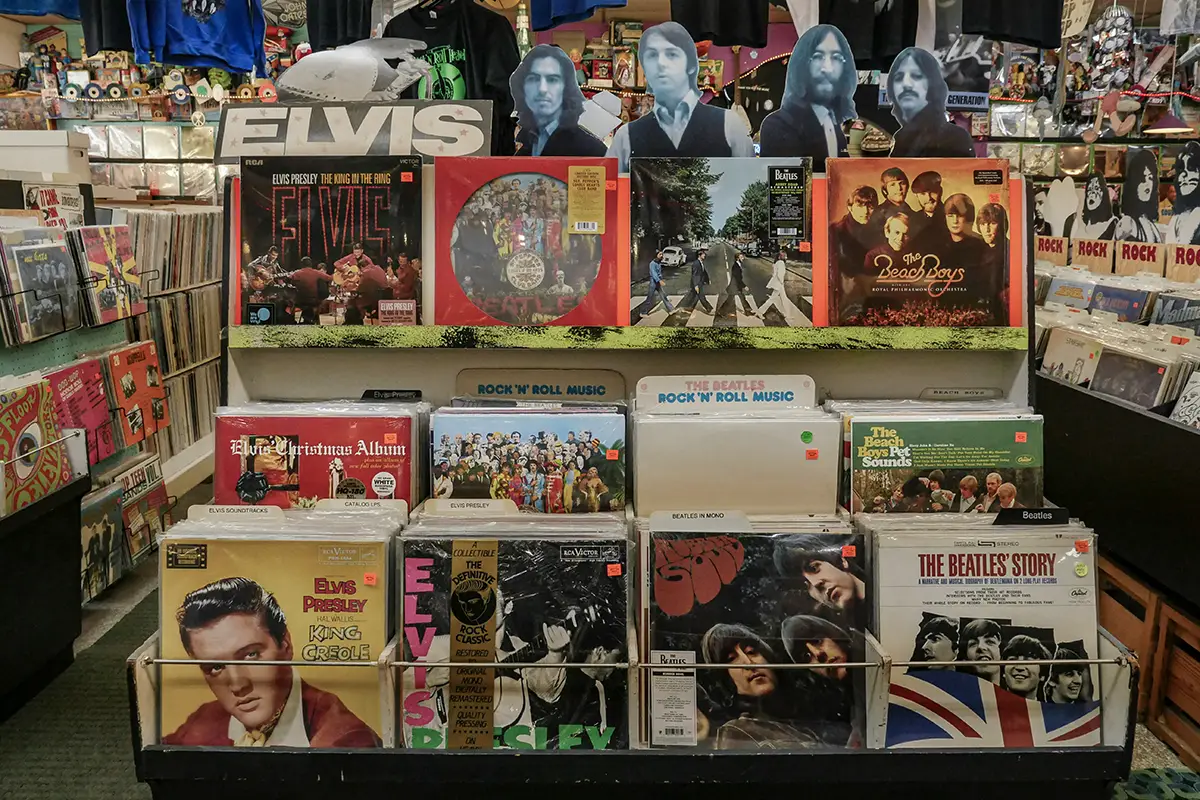
Fifty years ago, Jeffrey and I were both into our record collections. I was a huge Beatles fan, and Jeffrey was into the Cars. It was the year Fleetwood Mac came out with their song “Rhiannon,” and Queen blasted on to the scene with their hit “Bohemian Rhapsody.”
Playing at Jeffrey’s house was always fun. After listening to records upstairs, we usually made our way to the basement, where there was a popcorn maker, a billiards table, a pinball machine, and an arcade game against the wall called Pachinko. Pachinko was an oddly alluring and frustrating Japanese arcade game. It occasionally haunts me, but it’s also provided an important model for the research and teaching I currently do regarding EMFs.
As you can see in the video above, the game consisted of a vertical piece of glass, behind which was a decorated panel from which a hundred or more metal pins protruded towards the glass, creating obstacles. In the arcade, I imagined one would put a coin into the slot and be allotted a certain number of metal balls for play.
At Jeffrey’s house, it was, of course, free. There was a lever you pressed down, and it would send one of the metal balls up to the top of the machine, and it would bounce around the pins and either make their way into one of the openings in the middle of the field, where you would rack up a number of points, or the balls would find their way to the bottom of the game, where they would then be captured. Most of the balls went into the bottom tray. In fact, if I remember correctly, sometimes ALL of those metal balls would end up in the tray. We tried to vary how far we pulled the lever to adjust the throw of the ball, thinking that there must be a certain tension that would lead to the balls going into the payout pockets, but it didn’t really matter. Sometimes the balls would go bing-bing-bing and then hit a pin and bounce all the way to the other side of the machine. It was disturbingly random.
Because Jeffrey’s father owned the game, we had an endless supply of metal balls. Sometimes, we would rapid-fire those metal balls one right after another. The balls would bounce off the pins and collide with each other — and sure enough, every now and then, one would end up in a payout pocket.
Pachinko and EMFs
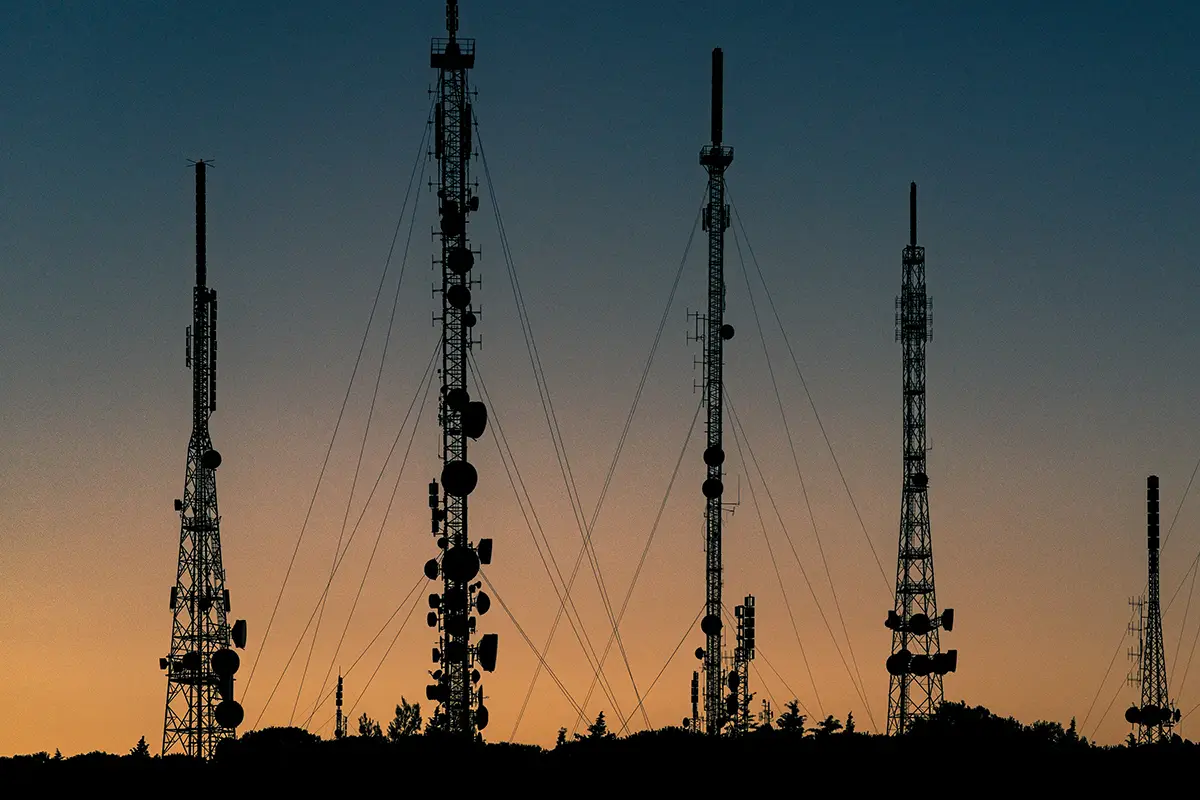
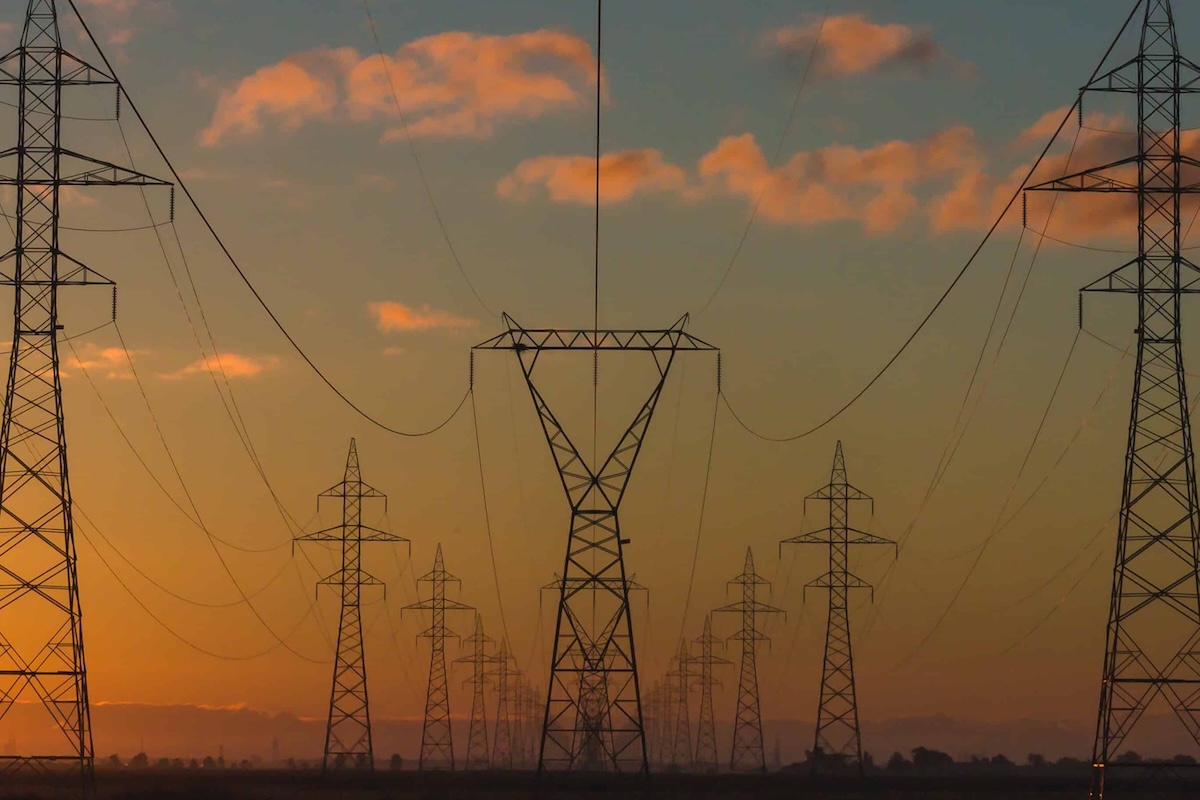
If you’re familiar with my work, you know that I have been researching the health effects of non-ionizing radiation, and in particular radiation emitted by cellphones, Wi-Fi routers, and other forms of wireless communication. I often use the term “stochastic” to explain the seemingly random distribution of disease caused by radiation. In particular, the sequela of oxidative stress, such as DNA mutations, protein denaturation, and lipid damage, which are all potential effects from radiation.
Now, imagine that EMFs are the metal balls, and each one of these adverse health effects is a points pocket in the pachinko game, and you can understand what “stochastic” means. The more balls you put into play in the pachinko game, the more likely you will get a ball in the payout slot, just like how more radiation will increase your likelihood for developing a negative health consequence from oxidative stress.
I believe this is a great analogy for those who have had a difficult time grasping why some experience negative health effects from wireless radiation, while others do not.
I don’t know what became of Jeffrey. If anyone reading this blog knows him, please tell him that I still think of him each time I hear “Let the Good Times Roll.”